
FLL Archaeology + YOLO
Teaching a robot to recognise archaeological finds with YOLO.
01overview
Built around the FLL 2026 archaeology theme, this project combines robotics with computer vision: an autonomous robot that detects and responds to archaeological objects.
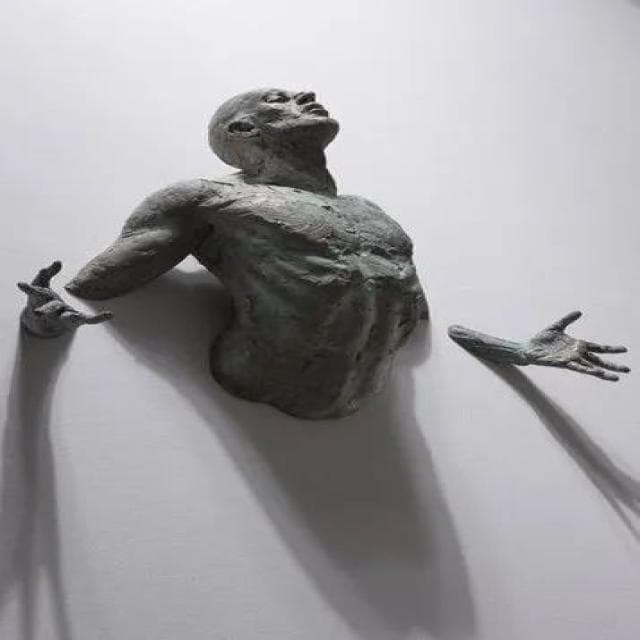
Detection is handled by YOLO models trained on a custom dataset of six target classes: coin, inscription, jewel, pottery, skeleton and statue. A first-version dataset was annotated and exported through Roboflow, and an image downloader was built to curate source material per class.
Multiple training iterations exist, including PyTorch checkpoints (best.pt) and TensorFlow Lite exports for on-device inference experiments. Field footage was recorded during development.
02architecture
- 01▣
Capture
camera feed
- 02▣
Detection
YOLO · 6 classes
- 03▣
Interpretation
class · position
- 04▣
Robot Control
task planning
- 05▣
Field Action
autonomous mission
03stack
05software
- YOLO object detection
- PyTorch training
- TensorFlow Lite export
- Roboflow-annotated datasets
- Custom image downloader tool
06problems & solutions
Building a usable dataset for a niche object domain (archaeological artefacts).
A dedicated image downloader curated raw material per class, followed by Roboflow annotation and train/valid/test splits for YOLO.
Getting detection models to run on limited hardware.
Experiments include TensorFlow Lite conversions of trained models to evaluate on-device inference.
07results & specs
- Target classes
- coin · inscription · jewel · pottery · skeleton · statue
- Model checkpoints
- YOLO best.pt (multiple iterations)
- Edge exports
- TensorFlow Lite
- Detection metrics
- Documentation in progress.
08gallery & media
01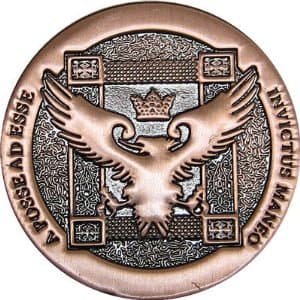 02
02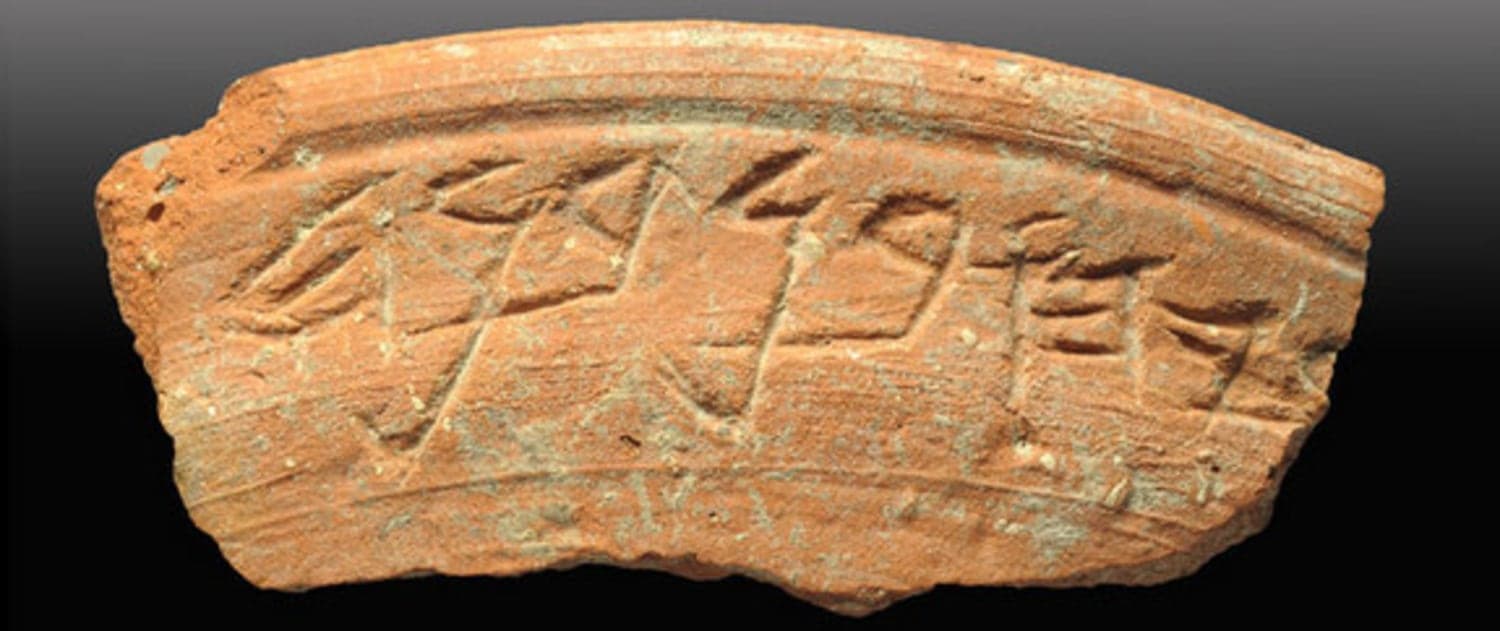 03
03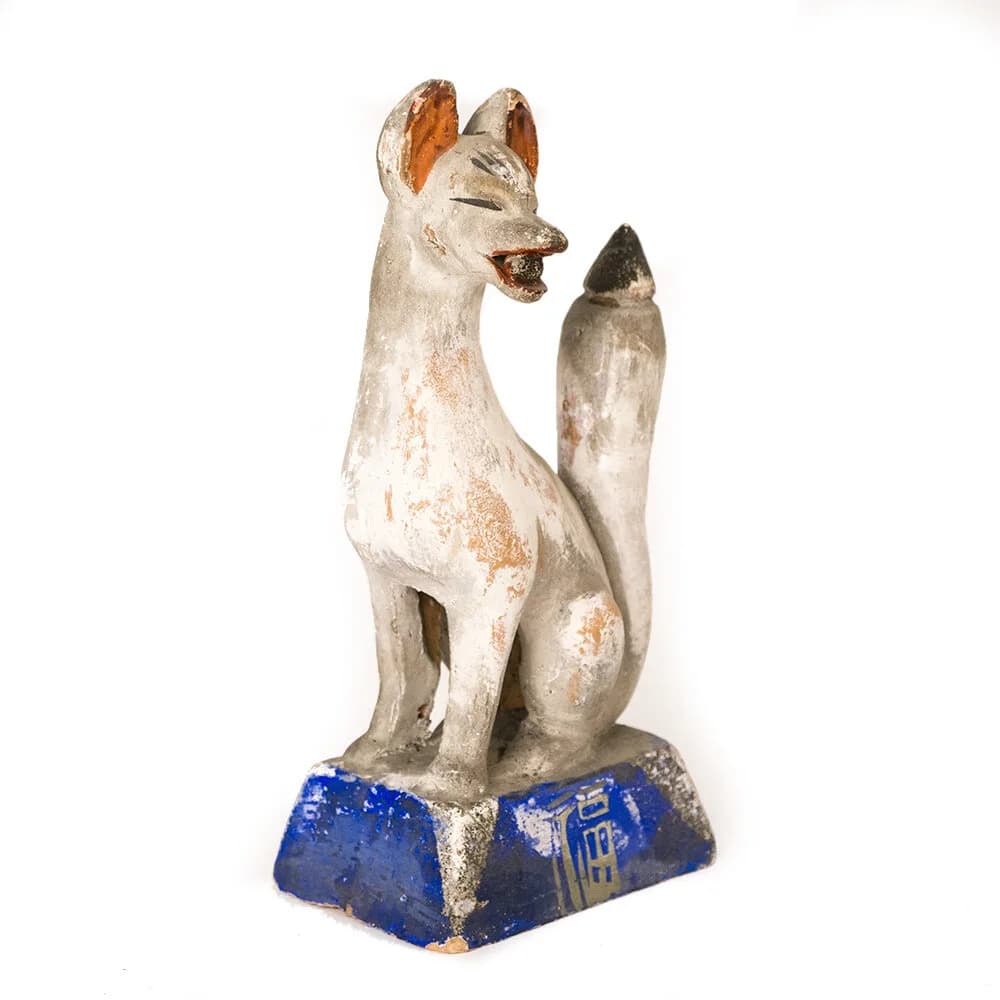 04
04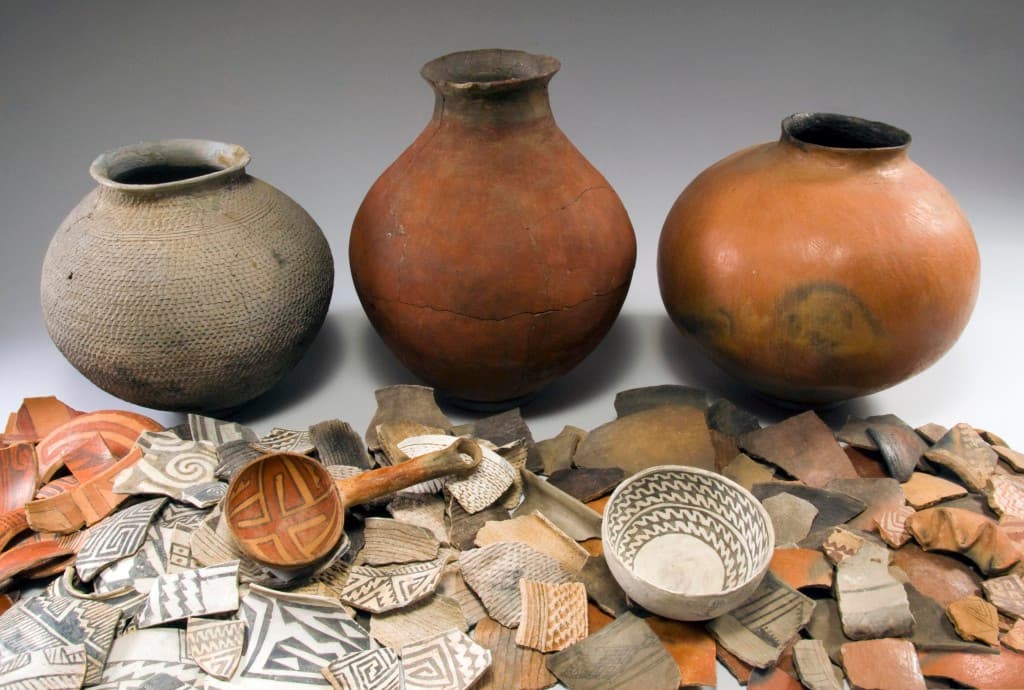 05
05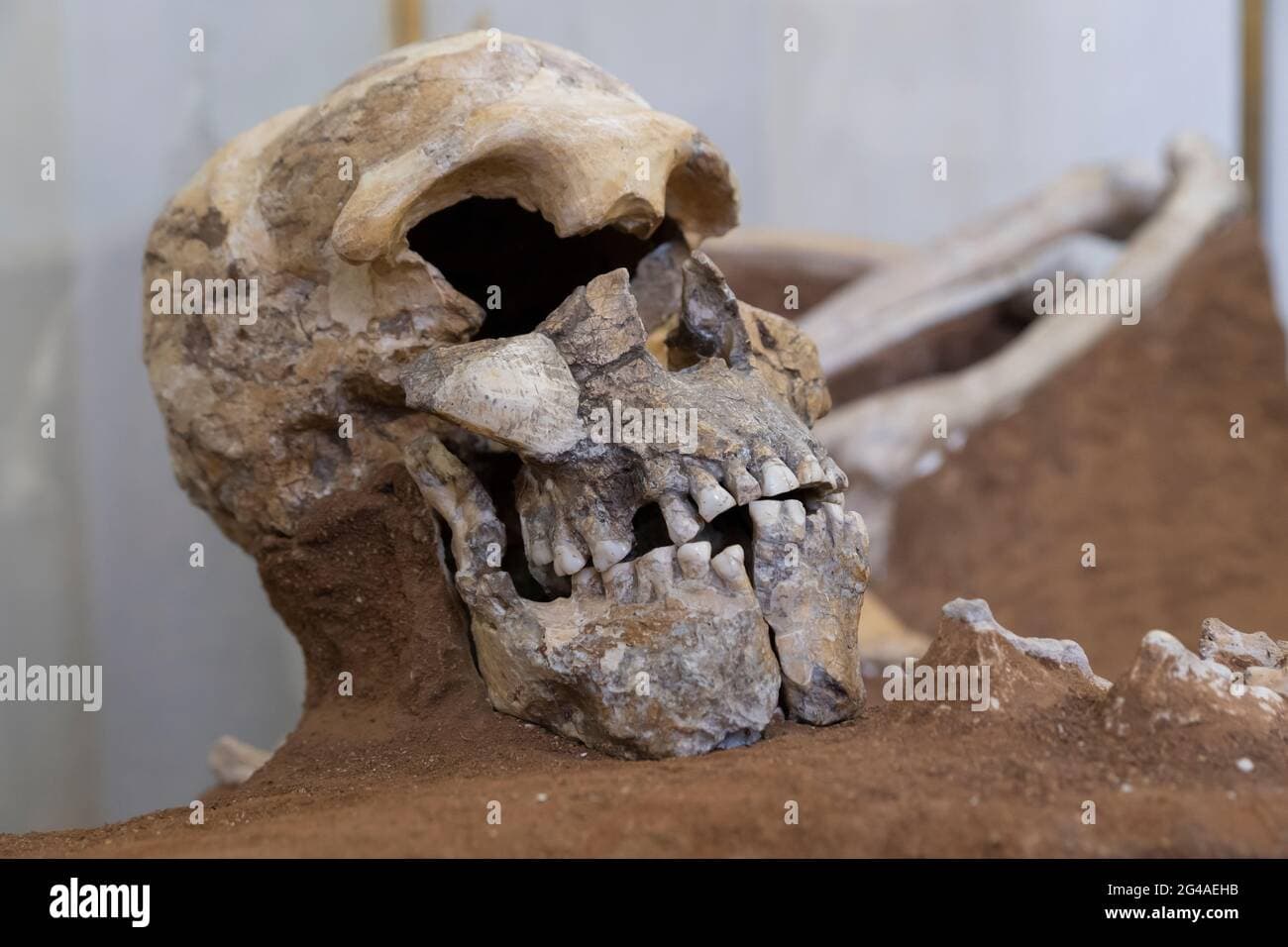 06
06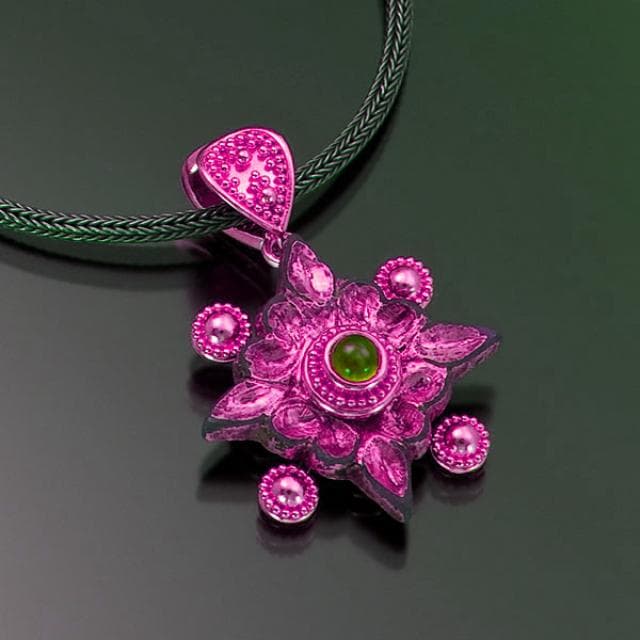 07
07